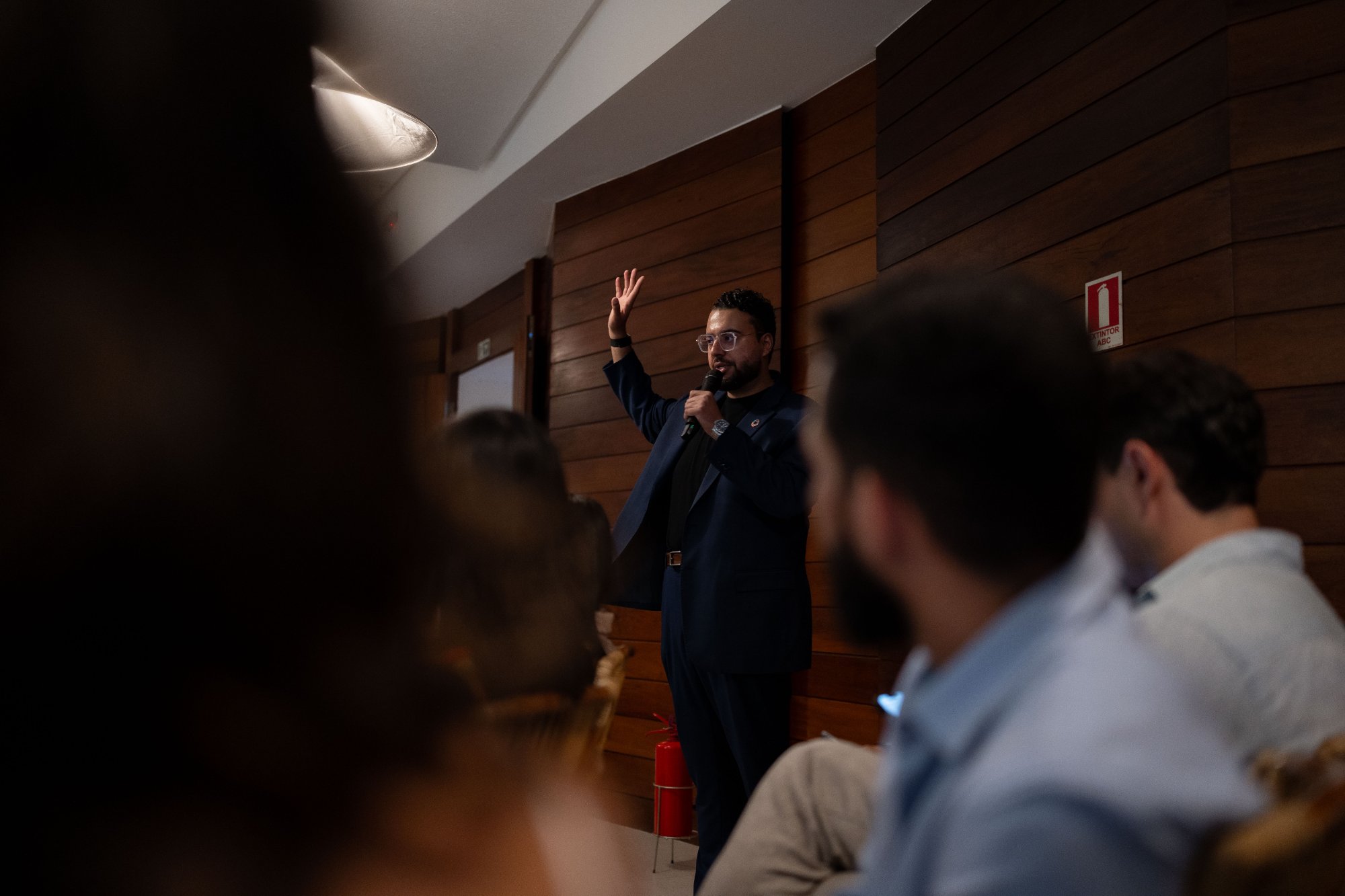
We spent four years at UN Climate COPs watching the same thing happen: the founders doing the most important work were never in the rooms where decisions got made. So we started building our own rooms.
We run convenings where climate founders from the Global South pitch directly to investors and mentors. Small rooms, everyone vetted, no filler. We also run the Green Founders Fellowship, a 10-week online program teaching 5,000 young people how to start green businesses. And we're building a network that keeps all of these people connected year-round.
The common thread: we think the biggest barrier in climate isn't ideas or money. It's that the people with ideas and the people with money are almost never in the same room. We keep fixing that, in different ways.
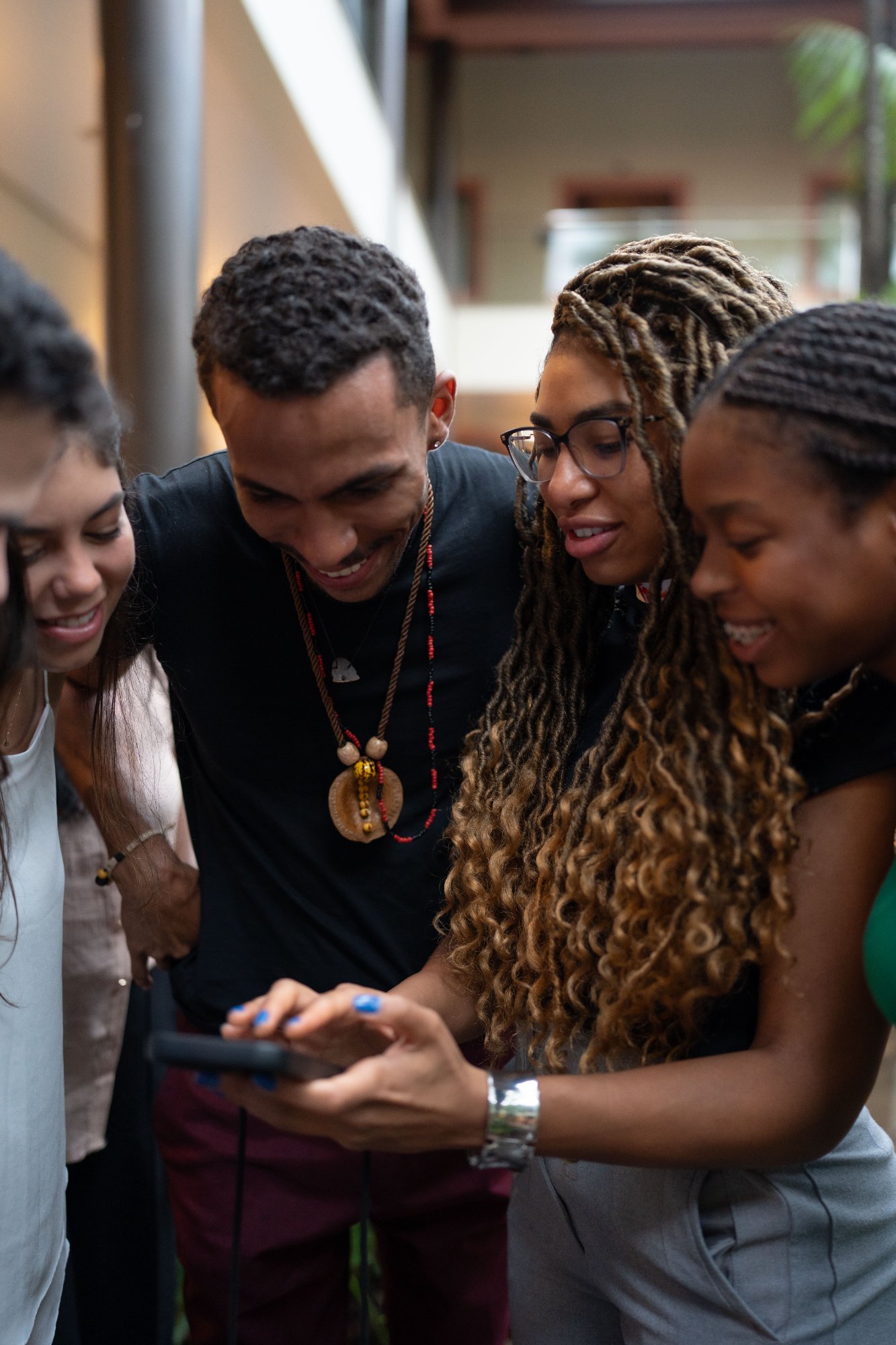
If you're a climate founder from Lagos or Bogota or Dhaka, and you make it to COP or Davos or Climate Week, here's what typically happens: you attend the sessions, you stand at the edges of the networking events, and you go home without a single meaningful conversation with someone who could help your venture.
The side events are too big. The networking is too random. And the people who could actually write a check or open a door are in a different room entirely -- one you weren't invited to.
That's what we're here to change.
We keep the rooms small on purpose. Thirty to fifty people, everyone selected, no walk-ins. When the room is that tight, people actually say what they think.
Founders pitch real ventures. Mentors give honest feedback. There is no moderator asking "what gives you hope." Every minute is pointed at something useful.
We don't adapt Global North programming for emerging markets. We start with the founders who have the hardest time getting access, and we build around them.
No 45-minute keynotes. No panelists reading their bios. If you're in the room, you're either building something or helping someone who is.
Alhassan Omar started going to UN Climate COPs in 2022 and kept showing up every year after, paying his own way. What he kept seeing was a gap that nobody was filling: the founders building real climate solutions in the Global South were at the summit, but they weren't in the rooms where investors and mentors were having actual conversations.
He spent over a decade in management consulting and large-scale program delivery -- PwC Dubai, e& Enterprise, multi-billion-dollar government transformation programs across the Middle East and Africa -- which gave him the operational instincts to take what was basically a frustration and turn it into a format that works: small rooms, vetted participants, real pitches, real feedback. He is trilingual (English, Arabic, Spanish), has lived in seven countries across four continents, and brings a practitioner's understanding of how systems work and where they fail.
The first Actions House ran at Goals House during COP30 in Belém. Forty-five people showed up. Nine founders pitched. It worked. Now he's building it into something bigger.
To be clear: nobody is expected to write a check in the room, and nobody is guaranteed funding. We create the conditions for real conversations between people who should know each other. What happens after that is up to them.